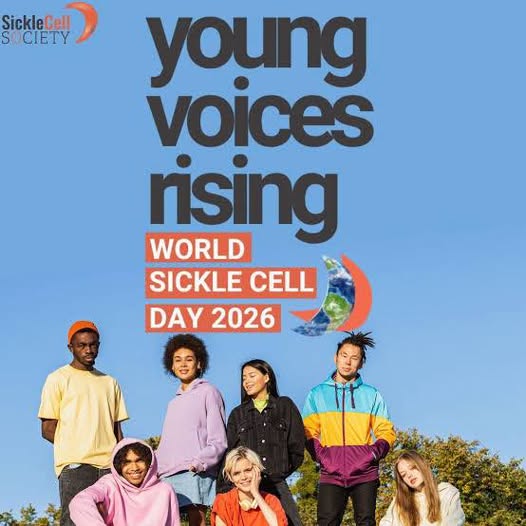
As the world commemorates the International Day of Sickle Cell today, Guardian Newspaper Nigeria has published a scary exposé on the rising cases of sickle cell disease in Nigeria.
According to the Guardian, Nigeria ranks top globally on the rise of Sickle Cell Disease. Sadly, over 150,000 babies are born in Nigeria with Sickle Cell yearly. The report further highlights that over 40 million Nigerians currently have the sickle cell traits. Now, pause to think about it for a moment. For a country of about 180-200m people, 40m have the sickle cell traits. This is about 20% of the population. This is not only a threat but an indictment on Nigeria’s ability to create actionable policies to address this disease over the years.
I had a friend who lived with sickle cell. God rest his soul. He was a great person, brilliant, smart and kind. But he was always in pain. In fact, he told me that he’d known pain all his life. He refused to get married, saying he didn’t want to leave someone he loved in the world heartbroken and abandoned, since he knew he did not have much time on earth. He refused to own any investments and whatever money he made he donated to charity. He was from a wealthy and politically powerful family but he didn’t participate in anything his family did. If his parents travelled abroad and brought for him a box of presents - clothes, perfumes, shoes, he gave me the box without opening it. He did so for every of his friends. Before he passed on, he lived a highly troubled and painful life, filled with crisis that broke our hearts and devastated us every time.
What’s most troubling is that this Guardian report highlights most prominently, incorrect laboratory testing as one of the leading causes of couples getting married while having the trait, thereby producing children who have the sickle cell disease. They identify lack of clinical professionals and most importantly, individuals bribing health workers to doctor their laboratory results. The report mention poor and obsolete laboratory equipment in Nigeria and recommends the need for standardization and enhanced monitoring/regulation.
Beyond these discoveries, I believe, is the role of literacy in contributing to this problem. In rural Nigeria where the literacy level is low and there is little to no awareness on sickle cell disease, many couple get married without the requisite tests, and couples who already have passed the trait to their children have little or no knowledge at all on how to manage their condition.
While couples in urban and semi-urban areas might be required by churches to present a laboratory test to indicate their genotype before a wedding can take place, it is important to note the sad fact that many couples meet, produce one or two children without these tests before starting the process of a formal church wedding, when their genotype is then revealed. In rural areas where traditional marriages hold and no one is mandated to indicate their genotype, it becomes very worrying.
It is important for government at all levels to take this seriously. It is saddening that in this time and age, Nigeria is ranked high globally in Sickle Cell carriers and births. There is need for a strong campaign specifically targeting rural areas and the illiterate population, and there is need for a strong policy mandating village heads and councils and even families to demand genotype tests before a marriage is allowed to hold, be it traditional or civil. Since Guardian’s report has largely placed this situation on the doorsteps of health workers, it is important that they be better trained in proper diagnostic measures, proper laboratory procedures and the right protocols for managing those already living with the disease, especially in rural and semi-urban areas.
Obinna Udenwe
Obinna Udenwe is an award-winning Nigerian novelist and short story writer. He is the author of Satans & Shaitans, Colours of Hatred, and Years of Shame.
View Full Profile